
Child & Adolescent Psychiatry
Finding a child psychiatrist is harder than it should be. Waitlists run for months in most of the New York metro area, and families often end up with whoever has an opening rather than a good fit. Dr. Sinha completed fellowship training in child and adolescent psychiatry and treats patients ages 3 and older by telehealth across New York, New Jersey, and Pennsylvania.

Psychiatric Care for Children & Teens (Ages 3+)
Children are not scaled-down adults, and psychiatric care for them works differently. A three-year-old cannot describe what is wrong. A nine-year-old may describe it in terms that sound like something else entirely. A fifteen-year-old often can describe it but has good reasons for not wanting to.
A pediatric psychiatrist works around that by pulling information from several directions at once: what the child shows in session, what parents observe at home, what teachers report at school, and what any therapist or behavior analyst already involved has seen. The picture that comes out of those sources together is far more reliable than any one of them alone.
Care runs from evaluation through ongoing treatment, and Dr. Sinha continues seeing patients as they move from childhood into adolescence and adulthood rather than handing them off at eighteen.
Conditions We Treat in Children & Adolescents
Dr. Sinha evaluates and treats:
ADHD, including inattentive, hyperactive, and combined presentations, covered further on the ADHD treatment page
Anxiety disorders, including separation anxiety, social anxiety, panic, and school refusal
Depression & mood disorders, including irritability and withdrawal that parents often read as attitude
Developmental disorders, including autism spectrum disorder and related concerns
Eating disorders
Psychotic disorders
Behavioral difficulties including oppositional patterns and emotional outbursts
Several of these overlap. A child who cannot sit still in class may have ADHD, anxiety, a learning difficulty, poor sleep, or a combination of all four, and separating them is the point of a proper assessment.
What a Child/Teen Evaluation Looks Like
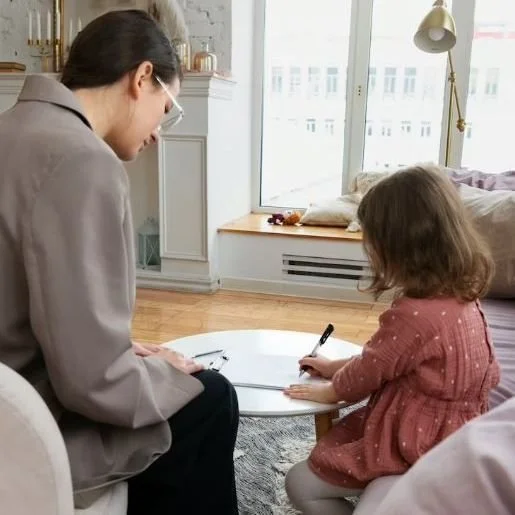
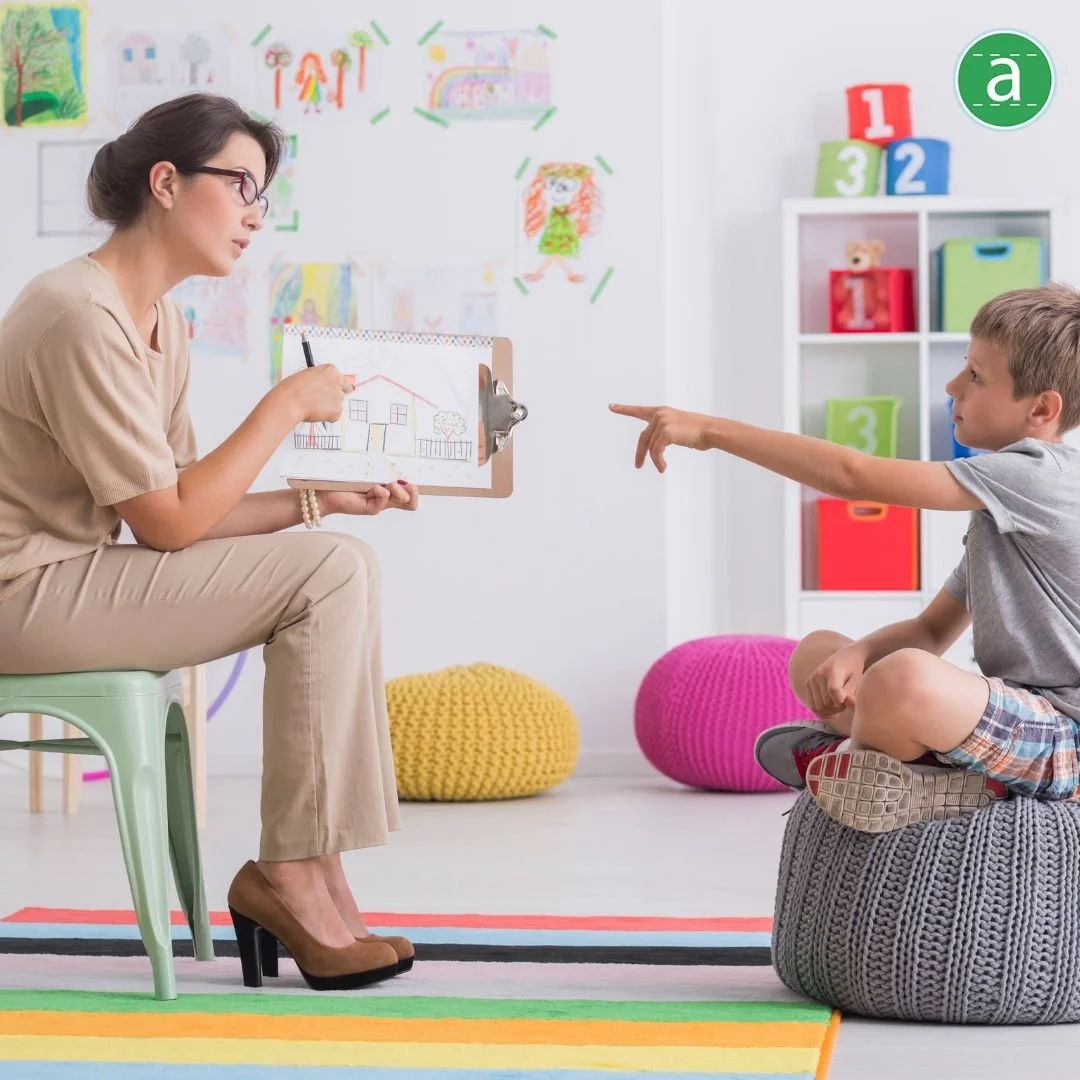
The first appointment with a child mental health specialist runs 60 to 90 minutes. How it is structured depends on the child's age.
For younger children, a parent or caregiver is present throughout. Much of the early conversation happens with the adult, covering developmental history, pregnancy and birth, milestones, medical history, family history, sleep, eating, school reports, and what prompted the referral. The child takes part at a level that suits them.
For teenagers, Dr. Sinha usually spends part of the appointment with the parent, part with the teen alone, and then brings everyone back together. Adolescents tend to say more without a parent in the room, and giving them that space early sets the tone for the rest of treatment.
Useful items to have ready include school reports, any prior psychological or educational testing, individualized education program or 504 documentation, notes from a pediatrician, and a list of medications tried before.
Involving Parents & Caregivers in Treatment
Parents are part of the treatment plan rather than observers of it. You will know what the working diagnosis is, why a particular medication is being considered, what to watch for at home, and what to do if something goes wrong between appointments.
Dr. Sinha also coordinates with the other adults in your child's life. That includes therapists, behavior analysts, pediatricians, and school teams, so that a strategy used in session is reinforced in the classroom rather than contradicted by it.
Teenagers get a degree of privacy appropriate to their age, and where those lines sit is discussed openly with both the teen and the parent at the start rather than left to be worked out later.


When to Seek a Child Psychiatrist
Consider booking with a teen or child psychiatrist when:
A therapist, pediatrician, or school suggests a psychiatric evaluation
Symptoms have lasted more than a few weeks and are not improving
Your child is refusing school or avoiding activities they used to like
Grades, friendships, or sleep have changed noticeably
Emotional outbursts are frequent, intense, or lasting longer than they used to
Medication is already being prescribed and you want a specialist reviewing it
Your child says they do not want to be here anymore
That last one needs immediate attention. If your child is in danger of harming themselves, call or text 988 to reach the Suicide and Crisis Lifeline, or call 911, rather than waiting for an appointment.
Frequently Asked Questions
-
Dr. Sinha treats children from age 3 and continues with patients into adolescence and adulthood.
-
No. Medication is one option among several, and plenty of families leave an evaluation with a plan built around therapy referrals, school accommodations, sleep changes, and parent strategies instead.
-
Yes, with a parent present and some preparation. Many children are more relaxed at home than in an unfamiliar office. Dr. Sinha will say so directly if a child needs a level of assessment that video cannot provide.
-
Yes. Coordinating with therapists, behavior analysts, and school teams is a standard part of how care is managed here.
-
This is an out of network practice, which keeps your child's mental health records private rather than submitted to an insurer. You receive a superbill after each visit for possible out of network reimbursement.
Get Started With Depression Treatment
Start with a complimentary 15 minute consultation and we will reach out within one business day. Call (646) 389-0538 or email drpri@resiliencepsychmed.com.