Privacy on a Telehealth Visit in Pennsylvania: Where to Take the Call
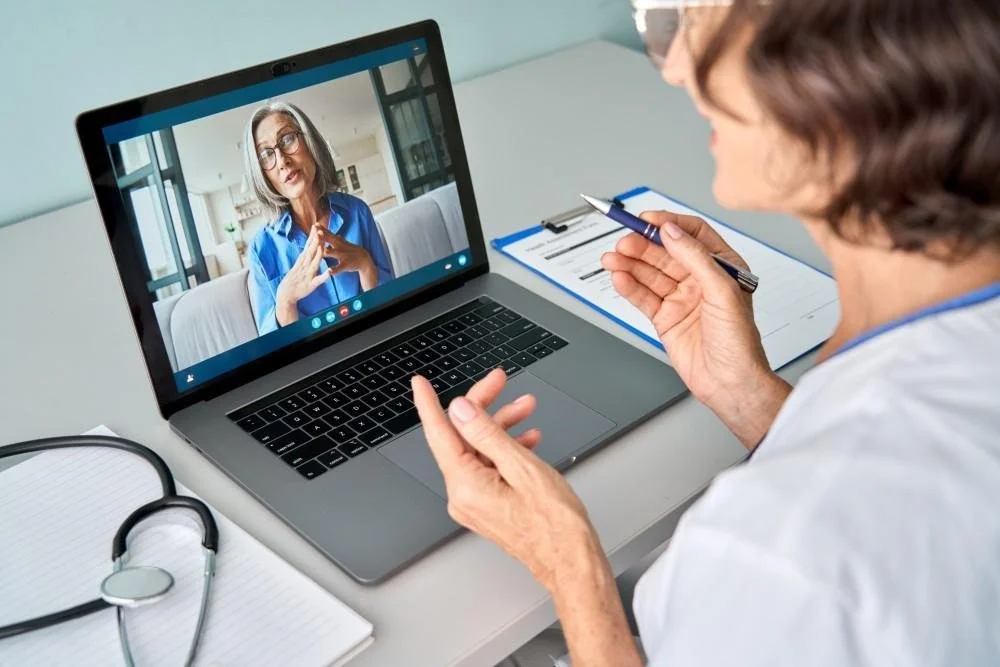
Telehealth platforms used for psychiatric care are secure and compliant with privacy standards. The part that matters most is not the software but the room where the appointment takes place. In Pennsylvania, patients often live in settings where privacy is not guaranteed. Apartments in Philadelphia, shared housing near universities, or family homes in smaller towns can make it difficult to speak openly. Psychiatric appointments cover subjects people do not usually discuss elsewhere, such as suicidal thoughts, substance use, or family problems. The appointment only works if those things can be said out loud without fear of being overheard.
When attention is divided between the conversation and the door, patients edit themselves. They shorten answers, skip details, or say things are fine because they worry about being overheard. The psychiatrist then makes decisions based on incomplete information. That is not just a comfort issue but a clinical one. Planning for privacy once and reusing the same space each time helps avoid this problem.
Options That Usually Work in Pennsylvania
A Room at Home with a Door That Closes
For many people in Pennsylvania, a bedroom or home office with the door shut is enough. Headphones help because they keep the psychiatrist’s voice private. If the walls are thin, running a fan or music outside the door covers sound. Families in rowhouses in Philadelphia often find this simple step makes the difference between a useful appointment and one where they hold back.
Your Car
In Pennsylvania suburbs and rural areas, the car is often the most reliable private space. Park in a quiet spot, keep the engine off, and use headphones. Reception should be tested before the appointment. Do not take the call while driving. Beyond safety concerns, attention is divided, and many practices will end the session if driving is involved.
A Private Room at Work
For people working in offices in Pittsburgh or Harrisburg, a private room with a solid door can work. Glass‑walled conference rooms or phone booths are poor choices because people can see your face and hear more than expected. Reserving a room under a neutral description avoids drawing attention.
A Trusted Person’s Home
If your own space does not work, a friend or relative’s empty room can. This works best when the arrangement is clear. Ask for a closed door and an hour without interruption. In smaller towns across Pennsylvania, this option is often practical when home privacy is limited.
Options to Avoid
Public spaces such as coffee shops, libraries, or parks are not suitable. Shared offices are also poor choices, even with headphones, since anyone passing can watch your face. Public transport rules itself out. Another issue is location. If you are outside Pennsylvania during the appointment, the psychiatrist may not be licensed to see you. A room where someone can walk in without knocking also disrupts the session. One interruption during a difficult conversation often ends the useful part of the appointment.
Setting Up the Space
Preparation prevents most problems. Tell others in the house you need an uninterrupted hour. Use headphones, silence your phone, and close other applications. Check your camera, microphone, and connection before the appointment. Keep water, a notepad, and your medication list nearby. Sit facing away from the doorway so you are not watching the door while you talk. Lighting matters too. A window behind you turns your face into a silhouette, which makes it harder for the psychiatrist to read your expressions.
Privacy for Children & Teenagers in Pennsylvania
Family appointments need more thought. Younger children usually have a parent present, which is expected. Adolescents often get part of the appointment alone, and that time is only useful if it is private. A teenager sitting in a living room in Philadelphia with a parent in the kitchen will not raise issues like substance use or self‑harm.
Parents should agree on which room the teen uses and stay out of earshot. Headphones help. In tight quarters, parents can send the teen to the car or step outside for the portion of the appointment that is theirs alone. Confidentiality lines between a teenager, a parent, and a psychiatrist should be discussed openly at the start of treatment.
What Your Psychiatrist Needs to Know
Tell your psychiatrist where you are calling from at the start of each appointment. They need your physical location for emergency planning, and it changes how they read the session. Someone speaking carefully from a car in rural Pennsylvania is giving different information than someone speaking carefully from a home office in Pittsburgh. If privacy is limited on a given day, say so. That allows the appointment to be adjusted rather than wasted.
Settling on a Space You Can Reuse
Pick a space, test it once, and use the same one each time. Familiarity helps. When you are not assessing a new room at the start of every appointment, more of your attention goes to the conversation. Most people find the right space on the second or third attempt. The effort is worth it early in treatment rather than midway through.
Summing It Up
Telehealth psychiatry in Pennsylvania depends on the room as much as the platform. Secure technology is already in place. What matters is finding a space where you can speak openly. A bedroom with a closed door in Philadelphia, a car parked quietly in Lancaster, or a private office in Pittsburgh can all work. Public spaces and shared rooms do not. Preparing the space once and reusing it makes appointments more effective. Privacy is not a technical issue but a practical one, and planning for it is part of treatment.